

If you’re planning to spend time on the beach in Lincoln City, there’s one thing worth checking before heading out the door: the tide.
Low tide can completely change what there is to see and do on the Oregon Coast. A stretch of beach that looks ordinary a few hours earlier can suddenly reveal rocks, tide pools, marine life, shells, and considerably more room to explore.
But when is low tide in Lincoln City?
There isn’t one set time. Low tide occurs at different times each day, which means checking the tide chart for the specific date of your beach trip is important. You can pick up free tide tables in our front office, or simply check online before you head out.
And if the plan involves tide pooling, beachcombing, or taking a long walk down the beach, knowing when the water is coming back may matter just as much as knowing when it goes out.
Here’s what to know before heading onto the sand.
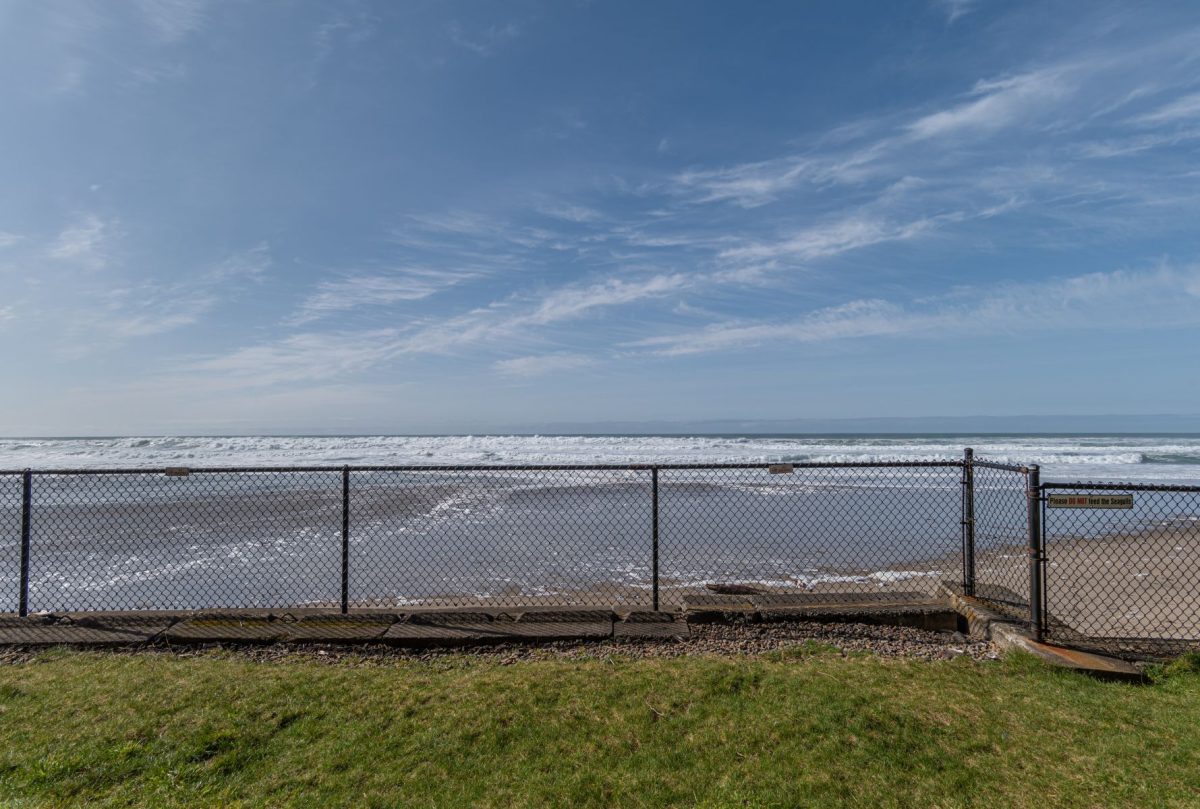
What time is low tide in Lincoln City?
Low tide in Lincoln City changes from day to day.
Rather than assuming that low tide happens in the morning or afternoon, check a current tide chart before going to the beach. Tide predictions show the times and predicted heights of each high and low tide for a particular location.
This is especially important if you’re planning an activity that depends on having more beach exposed.
Lincoln City’s own ocean-safety guidance recommends consulting a tide chart because tides change throughout the day and can affect access to certain areas of the beach. An incoming tide can turn an easy walk into a much less convenient—or potentially dangerous—return trip.
So don’t memorize a time. Check the tide for the day you’re actually going.
What does “low tide” actually mean?
Low tide is the point in the tidal cycle when the ocean reaches one of its lower predicted water levels before beginning to rise again.
For visitors, the most obvious difference is simple: more beach appears.
As the water recedes, stretches of wet sand, rocks, and other areas normally covered by ocean water can become exposed. And not all low tides are equally low.
A tide chart includes a predicted height alongside the time. Generally, the lower that number is, the farther the water may recede and the more intertidal area may become exposed.
That’s why someone interested in tide pools may care about more than seeing the words “low tide” on a chart.
A particularly low tide can reveal considerably more than a mild one.
Why does low tide matter in Lincoln City?
Because Lincoln City’s beach changes with it.
The difference between high and low tide isn’t merely whether the water is a little closer to the shore. Depending on the location and conditions, the amount of usable beach can change noticeably.
Low tide can create better conditions for:
- Tide pooling
- Beachcombing
- Looking for agates and other interesting finds
- Longer beach walks
- Exploring exposed rock formations
- Photography
- Looking for marine life
Even if there’s no particular mission for the day, low tide is simply an interesting time to walk the beach.
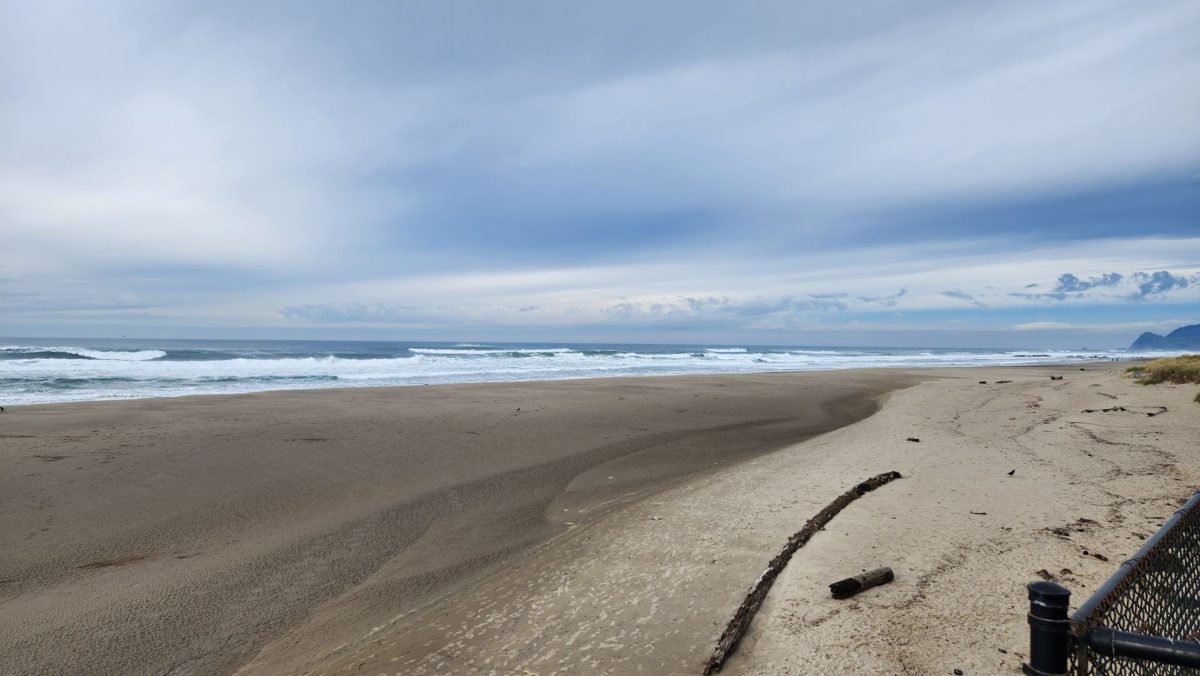
Is low tide the best time for tide pools?
Generally, yes.
Tide pools exist in the intertidal zone—the part of the shoreline that spends some of its time underwater and some of its time exposed.
When the tide goes out, pools of seawater can remain between rocks and in depressions. Those little pockets of water can contain an impressive amount of life.
Depending on the location and season, tide pool explorers along the Oregon Coast may encounter sea stars, anemones, mussels, barnacles, crabs, snails, and other marine creatures.
The lower the tide, the more of that intertidal habitat may be visible.
A good strategy is to arrive before the predicted low tide, rather than showing up exactly at the listed time. That provides time to explore while the tide is still receding and makes it easier to keep track of when it begins returning.
And remember: exposed doesn’t mean available for rearranging. Observe marine life where it is, step carefully, and avoid removing creatures from their homes.
Where can you find tide pools in Lincoln City?
Lincoln City’s long coastline includes rocky areas where marine life can become visible as the water recedes.
The exact experience changes with the tide, surf, weather, and season, so a location that looks promising on one visit may look completely different on another.
That’s part of the fun.
Before heading toward exposed rocks, check both the tide and current ocean conditions. Rocks can be slick, and an area that is accessible while the tide is going out may become difficult or unsafe as the water returns.
Low tide provides an opportunity. It does not provide immunity from the Pacific Ocean.
Is low tide good for beachcombing?
Very much so. When the water recedes, it exposes fresh stretches of sand that were underwater only hours earlier.
That makes low tide a good time to look for interesting rocks, shells, drift material, and other objects left behind by the ocean.
For serious beachcombers, the period after active weather can be particularly interesting because waves may move sand and redistribute material along the beach.
In Lincoln City, there’s another reason to keep your eyes open. The city’s Finders Keepers program places handcrafted glass floats along Lincoln City’s seven miles of beach for visitors to find and keep.
Important note: Finders Keepers floats are always placed above the high tide line for safety. You never need to enter the surf, climb on rocks, or put yourself in a dangerous spot to search for one.
Low tide can still make for a great beachcombing walk—just remember that when it comes to glass floats, there’s no need to follow the water out. Keep your search safely above the high tide line.

What does a negative tide mean?
This is where tide charts start looking slightly more complicated. Sometimes a low tide will have a predicted height below zero.
Tide heights are measured relative to a reference level, or tidal datum. A negative tide simply means the predicted water level will fall below that reference point.
For beach visitors, the practical takeaway is easier:
A lower predicted tide can expose more of the shoreline.
Negative low tides can therefore be especially interesting for tide pooling and exploring the intertidal zone.
They can also draw more people to popular tide-pooling locations, so treating the exposed habitat carefully becomes even more important.
Is low tide safer than high tide?
Low tide may expose more beach, but the Oregon Coast should never be treated as completely predictable.
Sneaker waves can travel unexpectedly far up the sand, and ocean conditions are influenced by much more than the predicted tide. Surf, swell, storms, wind, and local geography all matter.
Oregon State Parks advises beach visitors to keep an eye on the ocean because sneaker waves can arrive unexpectedly and knock both kids and adults off their feet.
Lincoln City’s safety guidance also warns visitors to stay away from logs near the surf. Waterlogged driftwood can weigh several tons, and moving water can shift or roll it.
So even during a beautiful, calm-looking low tide:
Never turn your back on the ocean.
What happens when the tide starts coming back in?
Eventually, low tide ends. The water begins rising again, covering the same sand, rocks, and tide pools that were exposed earlier.
Usually, that’s simply your cue to start moving farther up the beach.
But it matters more when exploring around rocky areas, headlands, cliffs, or secluded sections of shoreline. An incoming tide can cover a route that was completely dry earlier.
Lincoln City’s beach-safety guidance specifically warns visitors to know when the tide is coming in when exploring tide pools or secluded beaches because rising water can leave people stranded away from shore.
If the only way back involves walking around a rock formation on wet sand, that’s not a place to discover that high tide is approaching.
How long do you have after low tide?
There isn’t a universal number of safe minutes after low tide.
The tide begins rising after reaching its low point, but how that affects a particular stretch of beach depends on the predicted tide, beach shape, surf, weather, and where you’re exploring.
That’s why it’s better to think of the low-tide time as the center of an exploration window, not a deadline for arriving.
For tide pooling, consider getting to the beach while the tide is still going out. You’ll get time to explore before low tide and can keep an eye on the water as it begins returning. If you’re unfamiliar with an area, err on the side of heading back early.
The tide will be back tomorrow. That’s one of its more dependable qualities.
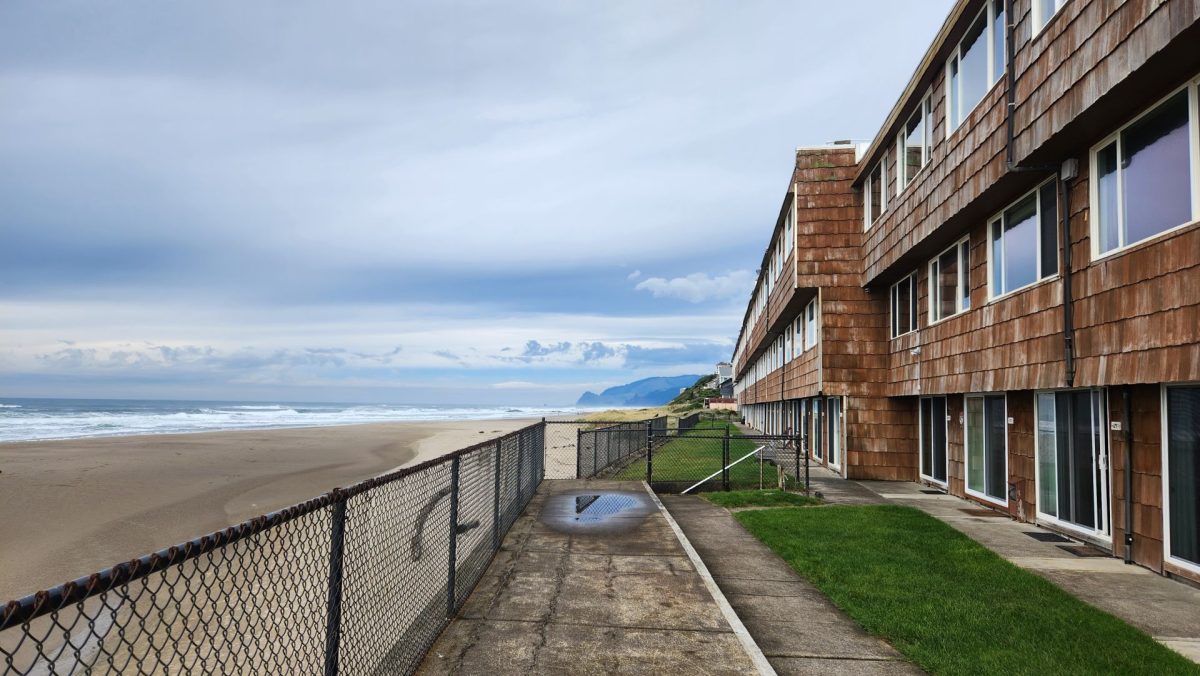
What are King Tides?
King tides are exceptionally high tides that occur periodically when the gravitational effects of the moon and sun combine to produce higher-than-usual water levels. They’re impressive to watch.
They’re considerably less impressive when you’re standing somewhere that is about to become part of the ocean.
During king tides and severe storms, Lincoln City notes that beach accesses may be closed because of dangerous conditions.
King tides are essentially the opposite experience from heading out during a particularly low tide. Instead of revealing more beach, unusually high water can cover areas that visitors are accustomed to seeing exposed.
If you’re visiting during a king-tide period, pay extra attention to local conditions and beach closures.
Does weather affect low tide?
The astronomical tide can be predicted well in advance, but the actual ocean doesn’t operate from the tide chart alone.
Wind, atmospheric conditions, waves, swell, and storms can all affect what conditions look like at the beach.
That’s why checking the predicted low tide should be only one part of the plan.
If the surf is rough, a low number on the tide chart doesn’t magically make climbing around rocks a good idea. Check current beach and weather conditions too.
The Pacific reserves the right to ignore your itinerary.
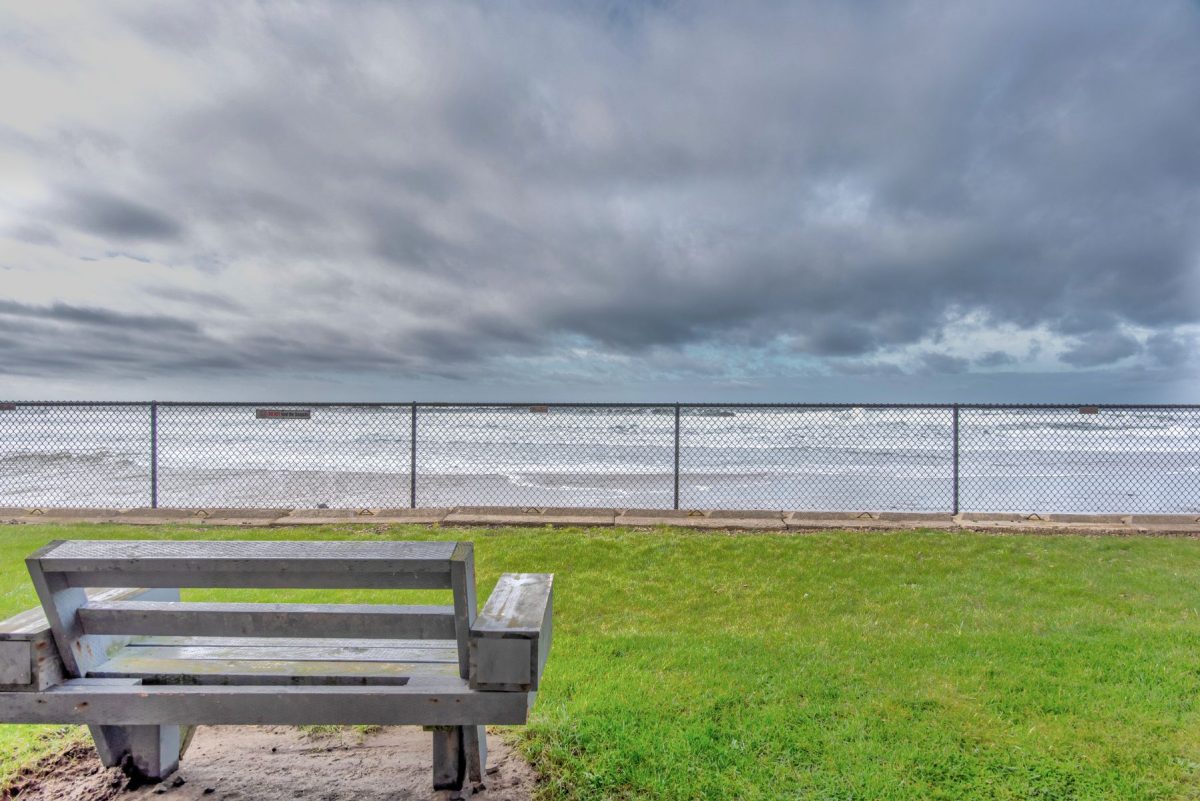
What’s the best way to plan a low-tide beach walk?
Keep it simple. First, look up the Lincoln City tide predictions for the day you want to explore.
Find the upcoming low tide and note both the time and predicted height.
If you’re hoping to tide pool or explore exposed areas, plan to reach the beach before the low point so the water is still receding when you arrive.
Once you’re there, pay attention to your surroundings. Notice where you entered the beach, keep an eye on the ocean, and be aware of whether the water is beginning to move higher up the sand.
Most importantly, don’t let a tide chart create a false sense of security. It’s a planning tool, not a force field.
Explore the beach at low tide
You don’t need to understand tidal astronomy to appreciate low tide. You just need to know when it’s happening.
Check the tide chart, head out a little before the predicted low, and see what the ocean has uncovered. Walk farther. Look closer. Search the sand. Check the rocks. Find something weird and spend ten minutes trying to determine whether it’s a rock, shell, plant, or alien.
That’s a perfectly respectable Oregon Coast afternoon.
And when the beach is directly outside your vacation rental, catching low tide becomes considerably easier.
At Sea Gypsy Rentals, guests stay oceanfront in Lincoln City with the beach just steps away. Instead of planning an entire excursion around the tide, check the chart, look outside, and head down when the timing is right.
Then come back when the tide does.
Ready for some beach time? Explore oceanfront vacation rentals at Sea Gypsy Rentals and make Lincoln City’s coastline your backyard for a few days.
Book Your Next Vacation
Browse our entire selection of rentals today and find the perfect match for your vacation!

